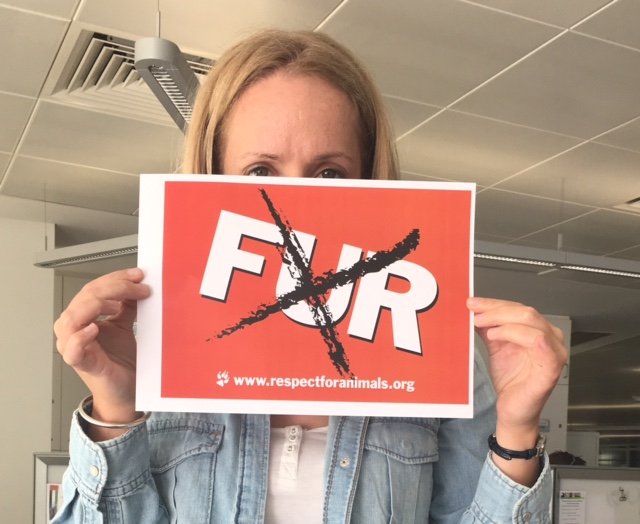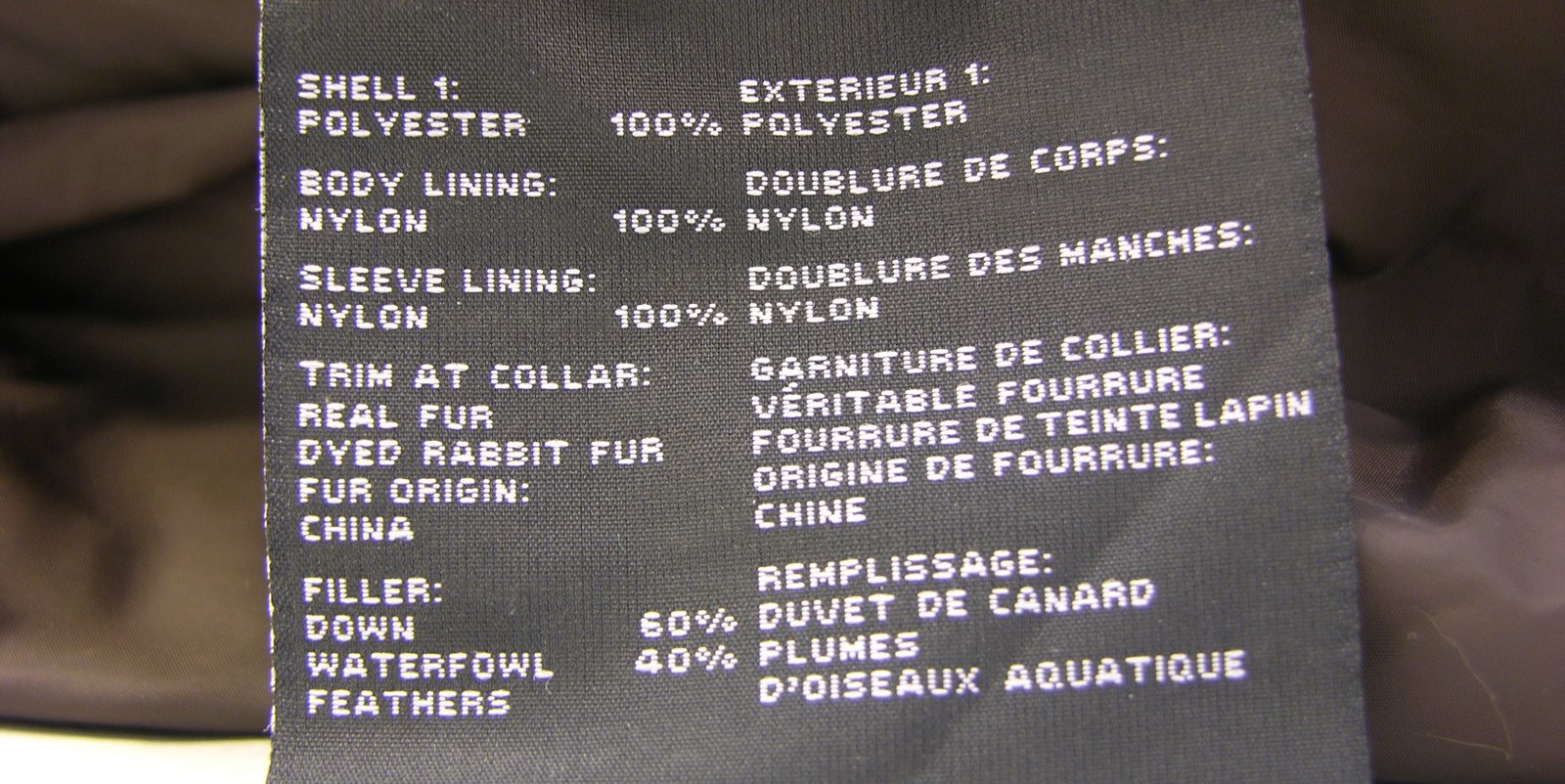
The UK banned fur farming in 2000 — but real fur is still imported and sold. A proposed ban would close that loophole and stop the UK profiting from cruelty in the global fur trade.
At a glance
- The UK banned fur farming in 2000, but still allows fur imports and sales.
- A proposed law would restrict imports of fur from commonly fur-farmed species and stop the sale of new fur products in England.
- Fur production typically involves keeping animals like mink and foxes in small cages and killing them for non-essential fashion items.
- Polling cited in our briefing found strong support for banning imports of products made by methods already illegal in the UK.
- There are also public health and legal reasons for action, including zoonotic disease risk and “public morals” trade rules.
What’s the problem?
The UK was the first country in the world to ban fur farming. But while fur farms have been shut down here for decades, real fur remains legal to import and sell, meaning the UK can still profit from animals being kept and killed in conditions we decided were unacceptable at home.
What would a UK fur ban do?
A proposed Fur (Import and Sale) Bill would:
- Extend existing import restrictions (currently covering cat, dog and seal fur) to include species such as mink, foxes, raccoon dogs, chinchillas, coyotes and others.
- Prohibit the sale of all new fur products in England.
- Help ensure the UK no longer supports or profits from the suffering of animals in the global fur trade.
Why it matters
- Consistency: if it’s too cruel to produce here, it shouldn’t be acceptable to import.
The fur farming ban was based on a moral judgement — continuing to import fur from overseas farms undermines that principle. - The public supports action.
A poll cited in our briefing found that 77% of people support banning imports of products made by methods already illegal in the UK. - Fur production is inherently cruel.
Animals such as mink and foxes are commonly kept in small wire cages that prevent natural behaviours, then killed for non-essential fashion items. - There is a public health dimension.
Our briefing referenced a 2024 Nature study identifying 39 viruses in fur-farmed animals, including several described as having pandemic potential. - A ban can be legally robust.
Trade restrictions can be justified on “public morals” grounds, and this approach has already been used for existing UK restrictions on cat, dog and seal products.
FAQs
What you can do
- Write to your MP:
Ask them to support a ban on fur imports and the sale of new fur products. - Ask retailers to go fur-free:
If a brand sells real fur, tell them you won’t buy from them until they stop. - Stay updated:
Sign up for alerts so you can act quickly when there’s a vote or consultation.