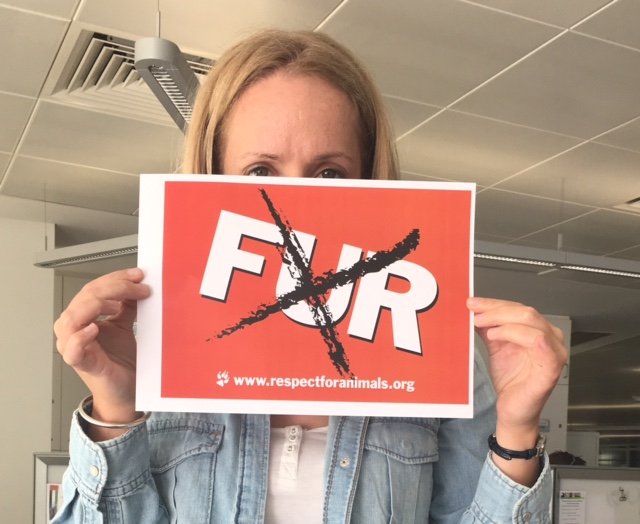
On 10 March, MPs will debate a fur import and sales ban in Parliament.
This is a major opportunity to push for change — but MPs need to hear directly from their constituents now.
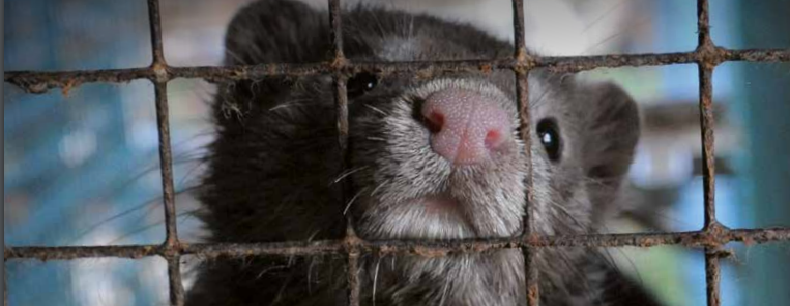
The UK banned fur farming more than 20 years ago. But fur from animals farmed overseas can still be imported and sold here. That double standard is indefensible.
If fur is too cruel to produce in the UK, it is too cruel to sell in the UK.
Why the law needs to change
1) The UK already rejected fur farming
The UK banned fur farming on ethical grounds. Yet fur products from animals kept and killed overseas are still allowed on sale here.
That means the UK can still profit from practices we have already decided are unacceptable.
2) The UK has also banned cruel trapping methods linked to the fur trade
The UK has long rejected leghold traps (often known as gin traps), one of the most notorious devices used to catch animals for fur. This reflects a long-standing recognition that these methods are cruel.
But while we reject this cruelty in law at home, fur linked to cruel trapping and fur farming abroad can still enter the UK market.
3) The public is on the side of a ban
There is strong public support for action:
- A YouGov survey (2020) found 72% support for banning the import and sale of animal fur, and 93% said they do not (or no longer) wear fur.
- Further national polling in 2022 found 77% of people in Britain support banning imports of animal products (such as fur) where the production methods are already banned in the UK.
- A Freedom of Information request reported by Facts About Fur found 96% of around 30,000 respondents to Defra’s Call for Evidence agreed it is wrong for animals to be killed for their fur.
4) This is about consistency, honesty and animal welfare
The current situation is untenable: cruelty is banned here, but accepted when it happens elsewhere.
A ban on imports and sales would bring UK policy into line with the principles that led to the fur farming ban in the first place.
Email your MP today
The most effective messages are often the ones sent directly from your own email account, in your own words, as a constituent.
A short, personal email can make a real difference.
Step 1: Find your MP
Use Parliament’s official Find your MP service and search by postcode.
Find your MP (Official Parliament tool)
Step 2: Send a short email
You can write your own message, or copy and adapt the template below.
Template email to your MP
Subject: Please attend the 10 March debate and support a ban on fur imports and sales
Dear [MP name],
I am one of your constituents and I am writing to ask you to attend the Westminster Hall debate on Tuesday 10 March and speak in support of a ban on fur imports and sales in the UK.
I strongly support a ban because fur farming is cruel and unnecessary. The UK was right to ban fur farming, but it is a clear double standard that fur from animals farmed or trapped overseas can still be imported and sold here.
The UK has also banned cruel leghold (gin) traps, yet fur linked to trapping and other cruel methods abroad can still enter the UK market.
If fur is too cruel to produce in the UK, it is too cruel to sell in the UK.
Public support for action is strong, and I hope you will support a ban that brings UK law into line with UK values.
Please attend the debate and support action to introduce a fur import and sales ban without delay.
Thank you for your time and for representing your constituents.
Yours sincerely,
[Your name]
[Your postcode]
Make your email more powerful
If you can, add one or two lines in your own words about why this matters to you. For example:
- concern about animal cruelty
- fairness and honesty in the law
- not outsourcing cruelty overseas
- the UK setting a positive example
Personal messages are more likely to be read and remembered.
Let us know what your MP says
If your MP replies, we’d be very grateful if you forwarded their response to us.
Thank you for taking action for animals. Let’s make fur history.